


-

Add: HeBei ShengShi HongBang Cellulose Technology CO.,LTD.
-

Email
13180486930@163.com -

CONTACT US
+86 13180486930

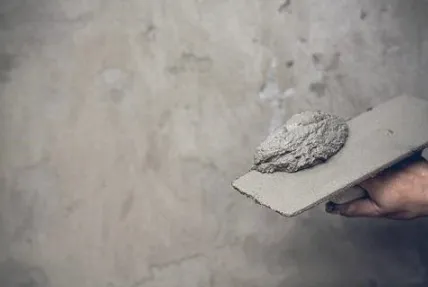


Гидроксипропилметилцеллюлоза (гипромеллоза) капсулы становятся все более популярными на мировом рынке благодаря своим многочисленным преимуществам в сравнении с традиционными капсулами, изготовленными из желатина. Гипромеллоза - это полимер природного происхождения, который делает эти капсулы более устойчивыми и экологически чистыми. Давайте более подробно рассмотрим преимущества и динамику рынка HPMC капсул, опираясь на реальный опыт, экспертное мнение и данные исследований. Рынок капсул из гипромеллозы значительно вырос в последние годы, и прогнозы указывают на дальнейший рост в связи с увеличением спроса на растительные альтернативы в фармацевтической и пищевой промышленности. Все большее количество потребителей переходит на веганский образ жизни, что способствует увеличению спроса на растительные продукты, в том числе и капсулы. В связи с этим, производители в сфере капсул переходят на использование гипромеллозы, которая удовлетворяет эти новые потребности. Экспертные исследования показывают , что капсулы из гипромеллозы обладают рядом преимуществ. Они характеризуются высокой стабильностью относительно различных условий окружающей среды, таких как температура и влажность. Это свойство делает их особенно подходящими для доставки активных веществ, которые могут быть нестабильны в капсулах из животного желатина. Помимо этого, капсулы HPMC являются безопасными для широкой целевой аудитории, включая людей с различными диетическими ограничениями, такими как веганы, вегетарианцы и те, кто страдает аллергией на определенные компоненты животного происхождения. Они также гипоаллергенные, что делает их более привлекательными на рынке с точки зрения безопасности и толерантности. Рыночная экспертиза показывает, что инновации в производственных процессах HPMC капсул ускоряют их адаптацию в фармакологии и в сфере спортивного питания. Процесс производства более экологичен, что привлекает внимание компаний, стремящихся к устойчивому развитию. Такие изменения, как снижение выбросов углерода и уменьшение зависимости от животных источников, добавляют HPMC капсулам репутацию экологически безопасного выбора. Рынок капсул HPMC Авторитетные агентства по контролю качества и безопасности продуктов одобряют гипромеллозные капсулы, подтверждая их неоспоримую пользу и безопасность. Все больше исследовательских учреждений подтверждают их эффективность в доставке лекарственных средств, что создает дополнительный доверие к этому продукту среди медицинских работников и конечных потребителей. На данный момент существует несколько ключевых игроков на рынке, активно продвигающих и внедряющих продукты на основе гипромеллозы. Эти компании делают акцент на инновационные методологии производства, обеспечивая тем самым высокое качество и соответствие международным стандартам. Потребительское доверие к HPMC капсулам постоянно растет, благодаря чему они становятся не только популярным выбором среди пользователей, но и надежным партнером для врачей и фармакологов. Фактические данные потребительских опросов говорят о положительном восприятии и большей удовлетворенности данным продуктом. Таким образом, рынок капсул из гипромеллозы продолжает активно развиваться, предъявляя высокие стандарты качества и безопасности. Основанный на экспертных знаниях, доверии и длительном опыте пользователей и производителей, он обещает оставаться устойчивым трендом в мире капсул.
- 40000tons

Production
- 20+years

Experience
- 5000+㎡

Acreage

-

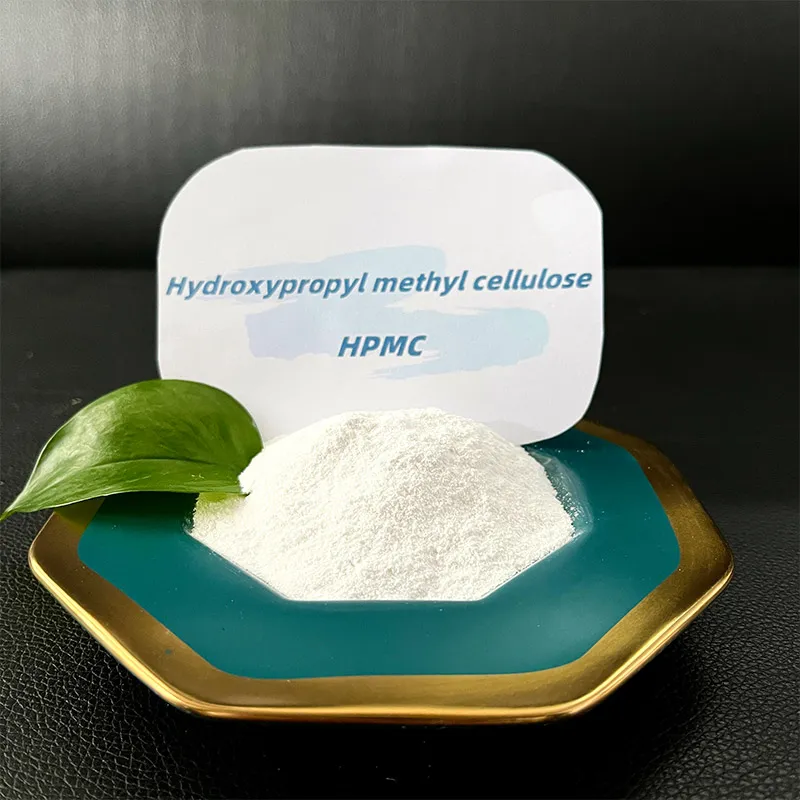
Navigating the world of chemicals , one encounters numerous compounds essential for various industries. Among them, Hydroxypropyl Methylcellulose (HPMC) stands out for its diverse applications and unique properties. This chemical compound has gained recognition for its indispensable role in industries ranging from construction to pharmaceuticals, making it a staple for product formulation experts. Hydroxypropyl Methylcellulose is a non-ionic cellulose ether derivative produced through the modification of cellulose. This modification provides HPMC with a remarkable set of physical properties that make it ideal for multiple applications. These properties include thickening, stabilizing, emulsifying, and forming films, which contribute significantly to improving product performance and quality. In the construction industry, HPMC is revered for its contributions to the formulation of high-quality cement and gypsum-based products. Its water retention capabilities ensure that mortar and plasters remain workable for longer periods, which is crucial in achieving a smooth and durable finish. This characteristic also prevents the premature drying and cracking of building materials, ensuring structural integrity and longevity. The expertise needed to harness the full potential of HPMC in construction relies heavily on understanding its interaction with other additives, which leads to formulas that enhance workability and set times tailored for specific environmental conditions. In the pharmaceutical sector, HPMC is celebrated for its safety and functionality in drug formulations. Its use as a controlled-release agent in tablet formulations ensures that medications are delivered at precise rates, enhancing therapeutic efficacy. The non-toxic and hypoallergenic nature of HPMC makes it an ideal choice for oral and topical pharmaceutical applications. Researchers and pharmaceutical experts trust HPMC for its biodegradability and ability to form gels at varying temperatures, which are essential in designing sustained and targeted drug delivery systems. hpmc chemical The food industry also benefits from HPMC's versatility. It acts as an emulsifier, thickener, and stabilizer in a variety of products, including sauces and dairy alternatives. These functionalities help in achieving the desired texture and consistency, which can greatly affect consumer satisfaction. As consumer demands grow for plant-based and clean-label ingredients, having authoritative knowledge about how HPMC can replace animal-derived thickeners highlights its critical role in food technology advancements. Trust in HPMC’s capabilities is built on years of scientific research and industrial application. Its consistent performance and adaptability in different environments demonstrate its reliability, secured by numerous safety studies and certifications. Manufacturers and product developers looking to leverage HPMC's properties benefit from collaborating with suppliers who prioritize quality and consistency, guaranteeing a dependable supply chain. Professionals seeking to integrate HPMC into their product lines must exhibit not only a solid understanding of its chemical and physical properties but also the foresight in application design that meets industry-specific standards. As demand for better, more sustainable solutions grows, Hydroxypropyl Methylcellulose stands as a testament to chemical engineering excellence — a reliable and versatile solution in an ever-evolving marketplace.
-
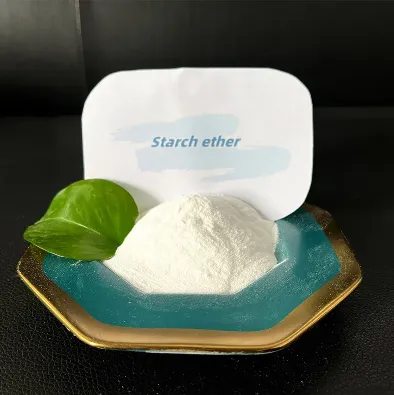
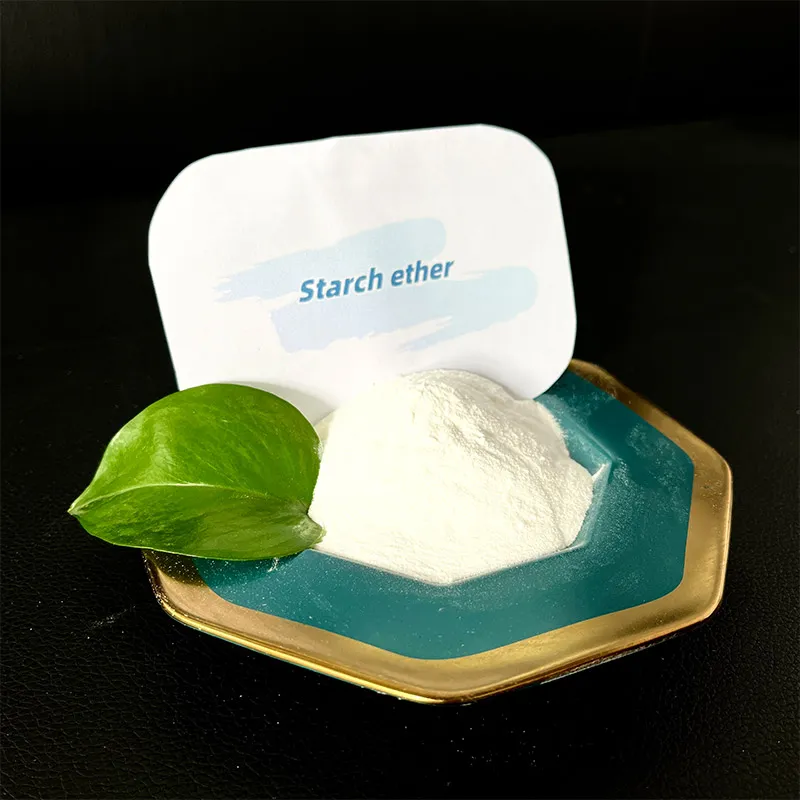
The Producers of Starch Ether An Overview Starch ethers are innovative chemical derivatives produced from starch, a polysaccharide that serves as a primary energy source in many plants. These derivatives are essential in various industries, including food, pharmaceuticals, cosmetics, and papermaking, due to their unique properties. In this article, we will explore the key producers of starch ethers, their manufacturing processes, and their applications. Understanding Starch Ethers Starch ethers are formulated by reacting starch with etherifying agents. This process modifies the starch, enhancing its solubility, viscosity, and thermal stability. Common etherifying agents include ethylene oxide, propylene oxide, and chloroacetic acid. The resultant starch ethers possess characteristics that are highly beneficial for different applications, such as improved binding, thickening, and film-forming properties. Key Producers in the Industry . 2. Roquette Frères A worldwide leader in plant-based ingredients, Roquette Frères specializes in starch derivatives, including starch ethers. Their extensive product range caters to diverse industrial needs, and they focus on producing sustainable, high-performance solutions. Roquette emphasizes continuous innovation, aiming to provide cutting-edge products to enhance the functionality of food, nutraceuticals, and cosmetics. производители эфира крахмала 3. Tate & Lyle Tate & Lyle is renowned for its expertise in food ingredients and solutions. The company produces various starch-based products, including starch ethers. With a strong focus on health and wellness, Tate & Lyle develops formulations that support clean label initiatives while meeting the demands for texture and performance in food products. 4. ADM (Archer Daniels Midland Company) ADM is a global leader in agricultural processing and one of the top starch ether producers. The company’s vast network and expertise allow for the efficient production of starch derivatives. ADM's focus on innovation and sustainability ensures the development of solutions that meet the evolving needs of the market. 5. Ashland Global Holdings Inc. Ashland is known for its specialty chemicals and has a significant portfolio of starch derivatives. The company's starch ethers find widespread applications in personal care products due to their thickening and film-forming capabilities. Ashland's commitment to research enables them to provide customized solutions across various industries. Applications of Starch Ethers Starch ethers are utilized in a multitude of applications. In the food industry, they serve as thickeners and stabilizers, enhancing texture and shelf life. In pharmaceuticals, they improve the formulation of medicines, acting as excipients that aid in the drug delivery process. The cosmetics industry benefits from their film-forming and moisturizing properties, while the papermaking sector uses them for improved adhesion and viscosity. Conclusion The production of starch ethers is a thriving sector due to their versatility and functional benefits across various industries. Leading companies like Cargill, Roquette, Tate & Lyle, ADM, and Ashland play crucial roles in the supply chain, constantly innovating to meet market demands. As industries continue to prioritize sustainability and performance, the relevance of starch ethers is only set to grow, making it an exciting area for future developments.
advantages
-

200000 Viscosities
Excellent product
We can produce pure products up to 200,000 viscosities
-

40000 tons
High yield
We don’t stop production all year round, and the annual output can reach 40,000 tons
-

24 hours
Quality service
We provide 24-hours online reception service, welcome to consult at any time
———— Inquiry Form
Schedule A services

-
 precio_de_la_metilcelulosa
Oct . 25, 2025
Hydroxypropyl methylcellulose (HPMC) is an exceptional multifunctional ingredient that finds various -
 hpmc_website
Oct . 25, 2025
Is HPMC Soluble in Water? Hydroxypropyl Methylcellulose (HPMC) is a widely used cellulose ether that -
 fibra_del_xilema
Oct . 25, 2025
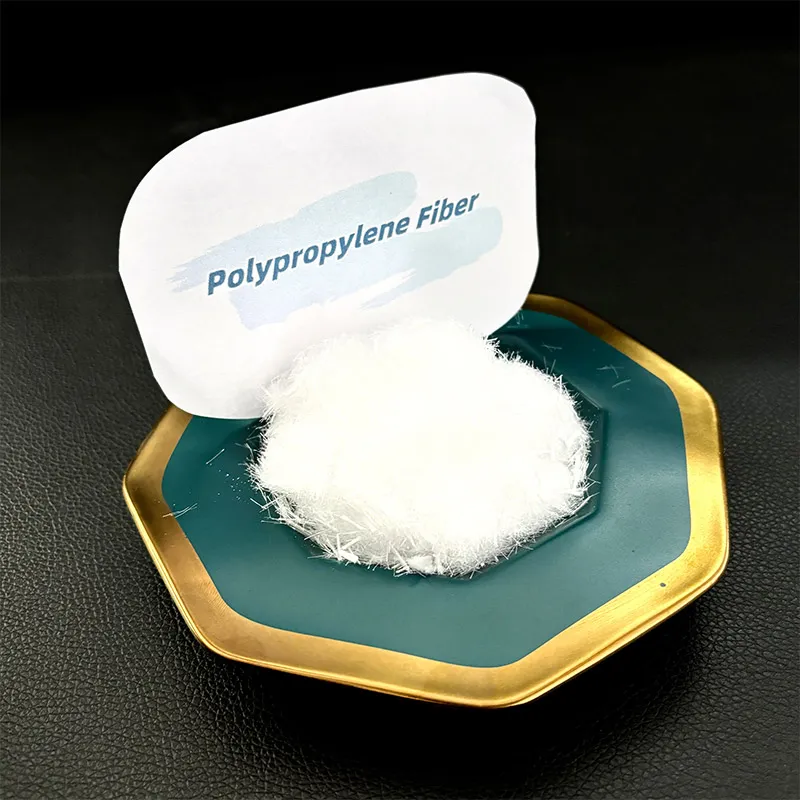
Understanding Polyolefin Fibers Properties, Applications, and Advantages Polyolefin fibers, derived


